Indiana doesn’t always get the credit it deserves as a history destination. But from a thousand-year-old Native American city on the banks of the Ohio River to the frontier farm where Abraham Lincoln came of age, the Hoosier State is packed with places where the past is not just remembered — it’s tangible. Here’s a guide to the best historical sites Indiana has to offer.
Angel Mounds State Historic Site — Evansville
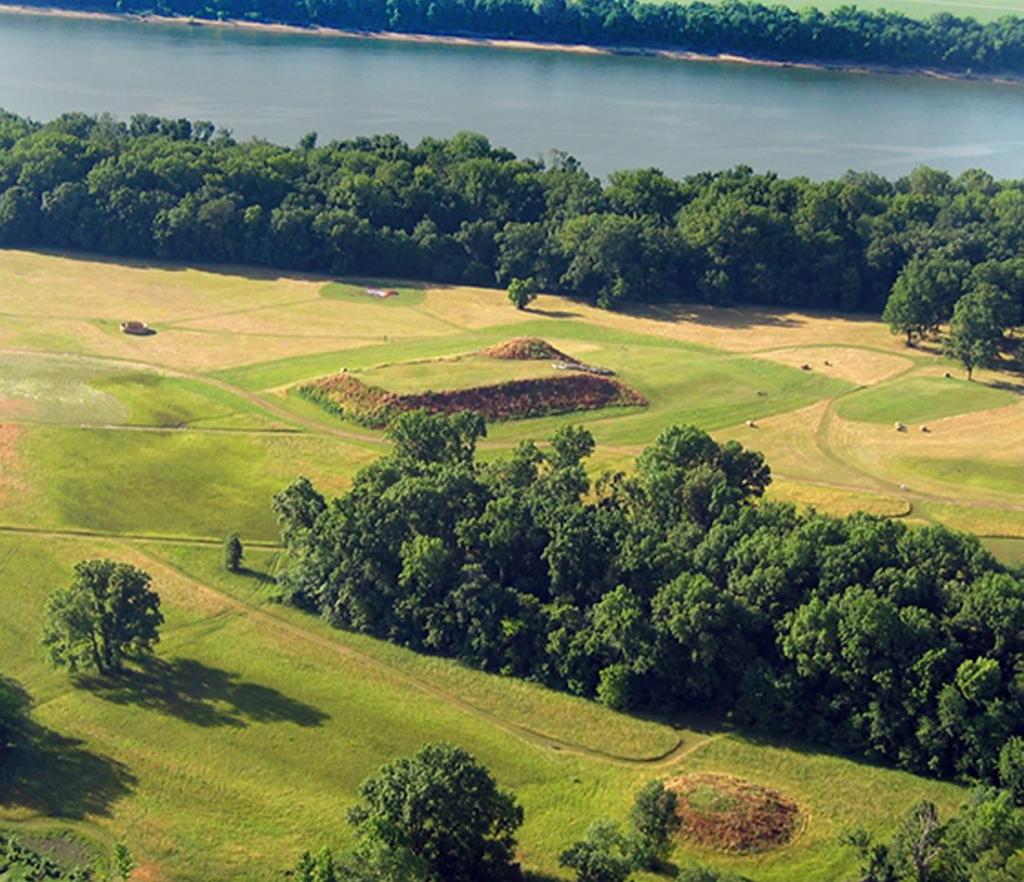
Before European explorers ever set foot in North America, a sophisticated civilization was thriving in what is now southwestern Indiana. The Angel Mounds State Historic Site, located about eight miles southeast of Evansville, is one of the most remarkable and undervisited historical treasures in the entire country.
The large residential and agricultural community was constructed and inhabited from AD 1100 to AD 1450, and served as the political, cultural, and economic center of the Angel chiefdom, extending its influence within 120 miles of the Ohio River valley. Wikipedia At its peak, the town had as many as 1,000 inhabitants inside its walls and included a complex of thirteen earthen mounds, hundreds of home sites, a palisade, and other structures. Wikipedia
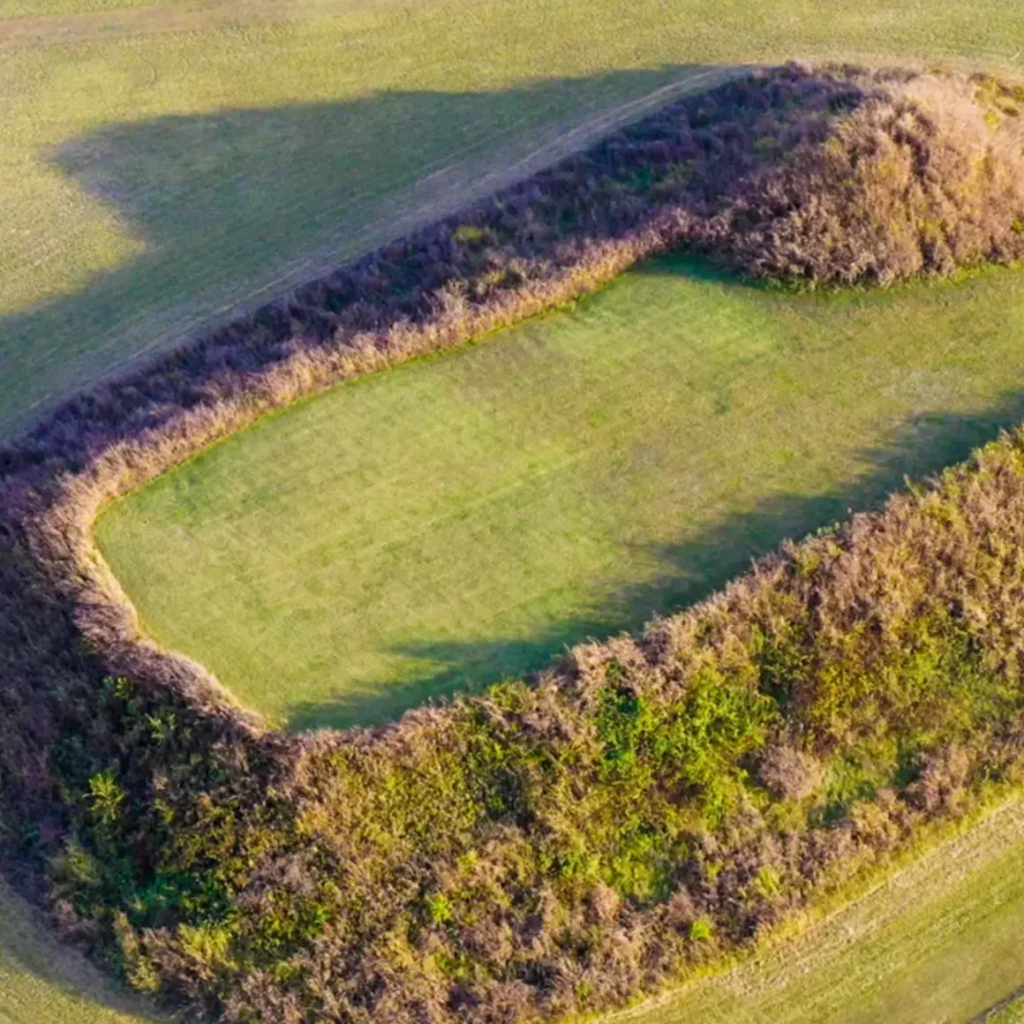
Spanning 600 acres, the historic site includes eleven earthen mounds built to elevate important buildings in the vast city where people lived, worshiped, and worked. Angel Mounds also highlights the cosmology of the people — how they may have understood their place in the universe and how everything is connected. The mounds are aligned with extraordinary precision to mark many celestial events, such as sunrise on the day of the summer solstice and sunset on the winter solstice. Indiana State Museum
Designated a National Historic Landmark in 1964, the property also includes an interpretive center and recreations of Mississippian structures. Wikipedia Starting in 1939, under the direction of Glenn A. Black, a crew of 277 WPA workers began excavating the site, recovering more than 2.5 million artifacts. Black’s efforts had a major impact on North American archaeological thought and technique. Indiana State Museum
This is a place that resets your sense of Indiana’s history entirely. The story of the Hoosier State didn’t begin in 1816 — it began here, more than a thousand years ago.
Lincoln Boyhood National Memorial — Lincoln City
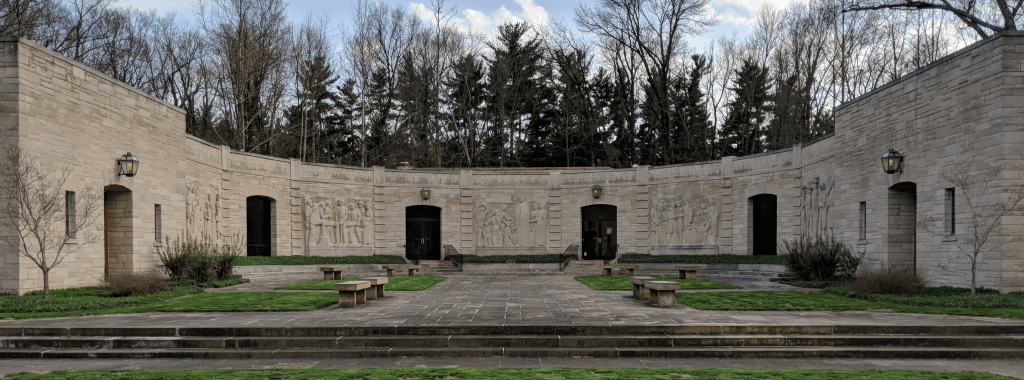
Most Americans associate Abraham Lincoln with Kentucky, where he was born, or Illinois, where he launched his political career. But Lincoln spent his most formative years growing up in Indiana, from 1816 to 1830, between the ages of 7 and 21 — and it was here that he became a voracious reader, acquired an interest in politics, and experienced the tragedy of losing his mother and sister. Corydon, Indiana
The park includes the Memorial Visitor Center, the gravesite of Nancy Hanks Lincoln (Abraham Lincoln’s mother), and the Lincoln Living Historical Farm, a typical nineteenth-century farm on the Indiana frontier. American Battlefield Trust Park rangers wearing clothing from the 1820s work the farm and engage with visitors about pioneer farming and living on the Indiana frontier. Corydon, Indiana Archaeologists have also uncovered the original Lincoln house site, which is preserved and marked for visitors.
Lincoln spent his boyhood on a homestead of 160 wooded acres in Lincoln City, reading everything he could get his hands on, chopping wood to sell to steamboats traversing the Ohio River, and helping on the family homestead. Mapsmemoriesandmotherhood Walking this same ground, surrounded by the quiet forests of southern Indiana, is a genuinely moving experience. Just across the highway, Lincoln State Park offers ten miles of hiking trails and additional Lincoln-era history for those who want to extend their visit.
Conner Prairie — Fishers
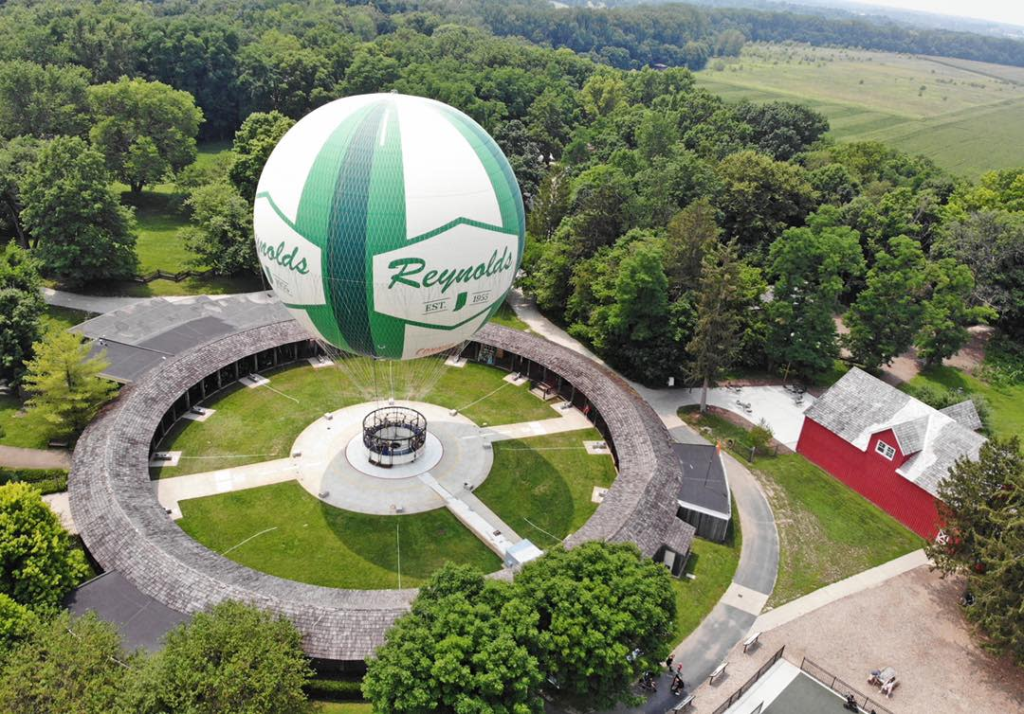
If you want Indiana history to truly come alive, Conner Prairie is the destination. Located in Fishers, Indiana, Conner Prairie is a nationally acclaimed history destination spanning more than 1,000 wooded acres. Indiana’s first Smithsonian affiliate, the outdoor museum combines history with science and encourages visitors to explore Indiana’s natural and cultural heritage through hands-on, immersive, and interactive experiences. Visit Hamilton County
The museum grounds are divided into several sections in which different historical eras are recreated in a living timeline. Staff in historical clothing demonstrate the way early inhabitants of the area lived, explaining their lifestyles in character while performing chores such as cooking, chopping wood, making pottery, and tending to animals. Visitors are often invited to join in the activities. Wikipedia
The 1836 Prairietown recreates a complete pioneer village, while the 1863 Civil War Journey exhibit immerses visitors in Indiana’s experience during the war. On December 17, 2010, Conner Prairie received the National Medal for Museum and Library Service. Wikipedia One of the most beloved attractions is the 1859 Balloon Voyage, which lifts visitors over the Indiana countryside in a tethered hot air balloon for a perspective on the landscape that no other museum in the region can offer. A newly reimagined Museum Experience Center is opening to the public in April 2026, offering a two-floor, year-round indoor museum experience designed to deepen every visit. Visit Hamilton County
Corydon Capitol State Historic Site — Corydon
Indiana didn’t always have its capital in Indianapolis. Before the seat of government moved north in 1825, the small southern Indiana town of Corydon served as the heart of the young state — and much of that history is still standing.
Corydon was founded in 1808 and served as the capital of the Indiana Territory from 1813 to 1816. It was the site of Indiana’s first constitutional convention, held June 10–29, 1816, where forty-three delegates convened to draft the state’s first constitution. Wikipedia Indiana’s constitution was the first in the nation to ban slavery and mandate funding for public schools. Corydon, Indiana In a particularly Hoosier touch, the summer heat was so extreme during that convention that the delegates moved outside, drafting the document under a massive elm tree whose stump — known as the Constitution Elm — still stands today.
The Old Capitol is the centerpiece of the district — a two-story, Federal-style limestone building that was nearly completed in 1816, the year Indiana was granted statehood. Tripadvisor Guided tours take visitors through the capitol building, the Governor’s Headquarters, and other original structures from the founding era.
Corydon also carries Civil War history. The Battle of Corydon, on July 9, 1863, was the only official pitched battle of the Civil War that occurred in Indiana, when a force of 2,500 Confederate cavalry invaded during Morgan’s Raid. Wikipedia A memorial park marks the site of the battle, and nearby Cedar Hill Cemetery contains the graves of soldiers from both sides. Encyclopedia Britannica Few small towns in America pack this much history into a single downtown square.
Soldiers and Sailors Monument — Indianapolis
Standing at the very center of downtown Indianapolis, the Soldiers and Sailors Monument is one of the most iconic landmarks in the state and a powerful tribute to Indiana’s military heritage. The Soldiers’ and Sailors’ Monument was the first in the United States dedicated to the common soldier, standing 284 feet high in the heart of downtown Indianapolis. Corydon, Indiana
Completed in 1902 after more than a decade of construction, the limestone and granite tower is surrounded by four bronze fountains and topped with a 38-foot bronze statue representing Indiana. Visitors can take an elevator — or climb the stairs — to an observation deck near the top for sweeping views of the city’s famous Mile Square. At street level, a small museum inside the base tells the story of Indiana’s contributions to American military history from the Civil War forward. It remains free to visit and is one of the most photographed spots in the entire state.
Spring Mill State Park Pioneer Village — Mitchell
Tucked into the hills of south-central Indiana, Spring Mill State Park is best known for its natural beauty, but the restored pioneer village at its heart makes it one of the state’s most rewarding historical destinations. Inside the park is a restored pioneer village dating back to the early 1800s Southern Indiana, including a working gristmill that still grinds corn using waterpower from the spring-fed stream running through the park.
The village includes over twenty original structures — a tavern, a distillery, a post office, a schoolhouse, and various trade shops — all restored and staffed by interpreters during the warmer months. The mill itself, built around 1817, is one of the best-preserved examples of early frontier industry in the Midwest. The park also has a deeper connection to American history as the home of Gus Grissom, one of NASA’s original Mercury astronauts, who grew up nearby in Mitchell, Indiana. The Virgil I. Grissom Memorial at the park’s nature center is a worthy stop before or after exploring the village.
The Indiana Territory Capital — Vincennes
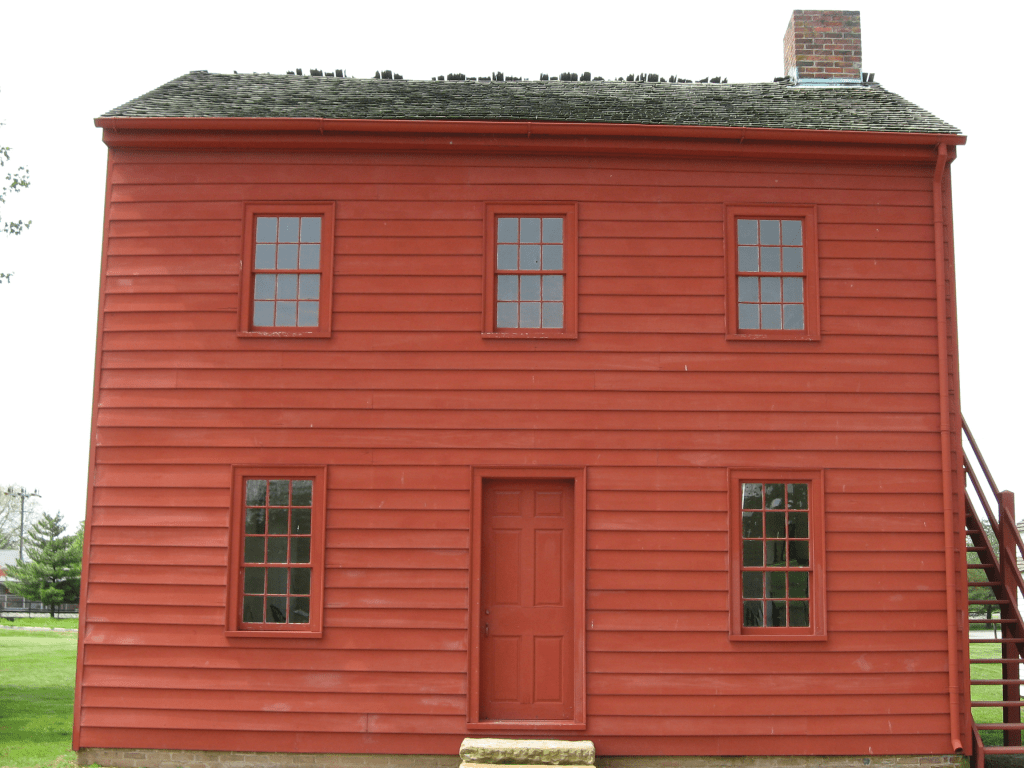
Long before Corydon or Indianapolis, the seat of power in what would become Indiana was Vincennes, the oldest continuously inhabited European settlement in the state. Vincennes is home to the Grouseland estate Southern Indiana, the grand Federal-style mansion built in 1804 by William Henry Harrison, the governor of the Indiana Territory who would later become the ninth President of the United States. Restored and open for tours, Grouseland offers a fascinating window into frontier diplomacy and the political world of early American expansion.
The city is also home to the Indiana Territory Capitol Building, a recreation of the original structure where Harrison governed in the years before Indiana statehood, and the nearby George Rogers Clark National Historical Park, which commemorates one of the most daring military campaigns of the Revolutionary War — Clark’s 1779 winter march that secured the Northwest Territory for the new American republic.
A State With Deeper Roots Than You Think
Indiana history isn’t simply a story of settlers and statehood. It stretches back more than a millennium to the mound builders of Angel Mounds, runs through the frontier cabin where young Lincoln learned to read by firelight, and winds through the limestone courthouse where a new state decided what it believed in. From the Ohio River to the suburban edges of Indianapolis, the Hoosier State is rich with places where the past is waiting to be discovered — you just have to know where to look.
 The Indiana Traveler
Leave a comment